Introduction
The market for AI agents is exploding. According to the Market.us, the global agentic AI market is projected to reach USD 196.6 billion by 2034 a tenfold jump from 2024. Yet, despite the hype, many organizations still stumble when trying to acquire and deploy an agent that actually solves a problem. Our own research identified five recurring frustrations that turn what should be a quick win into a costly, time‑consuming ordeal. Below we unpack each pain point, illustrate it with real‑world numbers from the plan, and show precisely how Caywork’s platform eliminates the obstacle.
1. Time‑Consuming Search Across Scattered Platforms
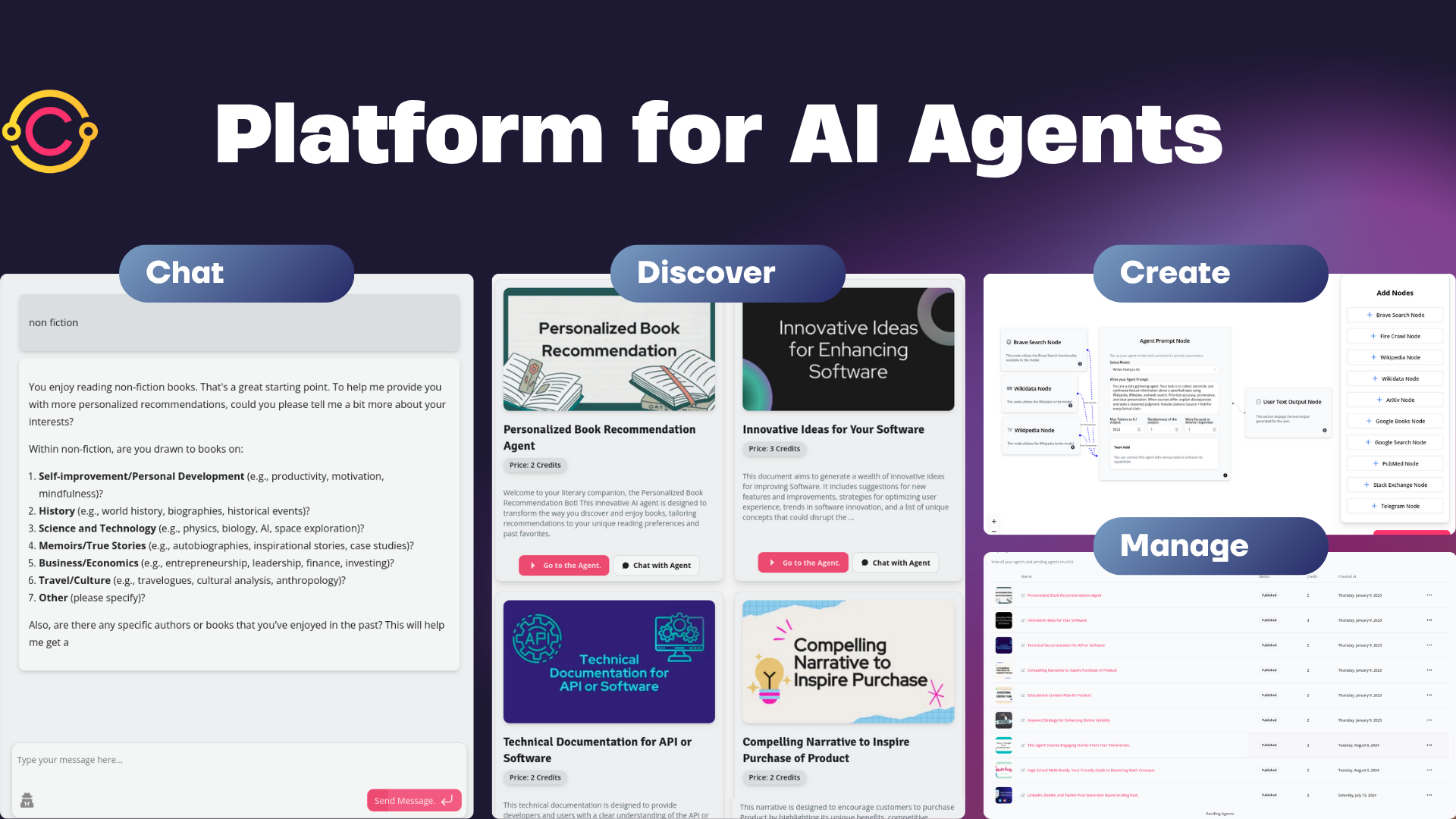
The problem Users spend hours hunting for the right agent. The business plan notes that “users must navigate various platforms, including social media, blogs, and video content, to find suitable agents.” In practice, a product manager can waste 3‑5 hours per week just scrolling through disparate marketplaces, reading fragmented documentation, and testing trial versions. Why it matters Every hour spent searching is an hour not spent delivering value. For a startup on a lean budget, that lost productivity translates directly into delayed launches and higher burn rate. Caywork’s fix “One‑Screen Discovery” Semantic search filters agents by function, cost, data‑privacy stance, and integration compatibility. Results are ranked by community ratings and usage metrics, so the most reliable agents surface first. Because the marketplace lives under a single domain, users never need to switch tabs or create multiple accounts. Result: The average discovery time drops from 3‑5 hours to under 10 minutes, freeing up resources for actual implementation.
2. Subscription Fatigue Multiple Recurring Bills
The problem
Most AI‑agent vendors still rely on a subscription‑based model. The research cites “multiple monthly fees” that “many users find unusable.” For a small team juggling three separate agents, the combined cost can easily exceed USD 150 per month, not counting hidden overage fees. Why it matters Unpredictable cash‑flow and the psychological burden of managing dozens of renewal dates lead to churn and budget overruns. CFOs often reject new tools simply because the accounting overhead looks messy. Caywork’s fix Transparent Credit‑Based Pricing Users pay only for actual executions; there are no hidden recurring charges. Real‑world impact: A startup that previously paid USD 120 monthly for three subscriptions can run the same workload on Caywork for USD 45 per month.
3. Lack of Seamless Integration Silos and API Overhead
The problem Even when an agent fits the bill, integrating it into existing workflows often requires custom API development, separate authentication flows, and manual data mapping. Why it matters Engineering teams spend weeks building glue code, delaying time‑to‑value and inflating development budgets. In regulated industries, each extra integration point also adds a compliance risk. Caywork’s fix “Zero‑Touch Integration” OAuth provisioning happens with a single click; the platform automatically provisions sandboxed credentials for each agent. Agents run in isolated sandboxes, guaranteeing data sovereignty while still allowing secure API calls to external services. Pre‑built connector library lets users drag a connector onto the workflow without writing code. Result: Integration time shrinks from weeks to minutes, and the risk of data leakage is mitigated by the sandbox architecture.
4. Inconsistent User Experience Across Tools
The problem
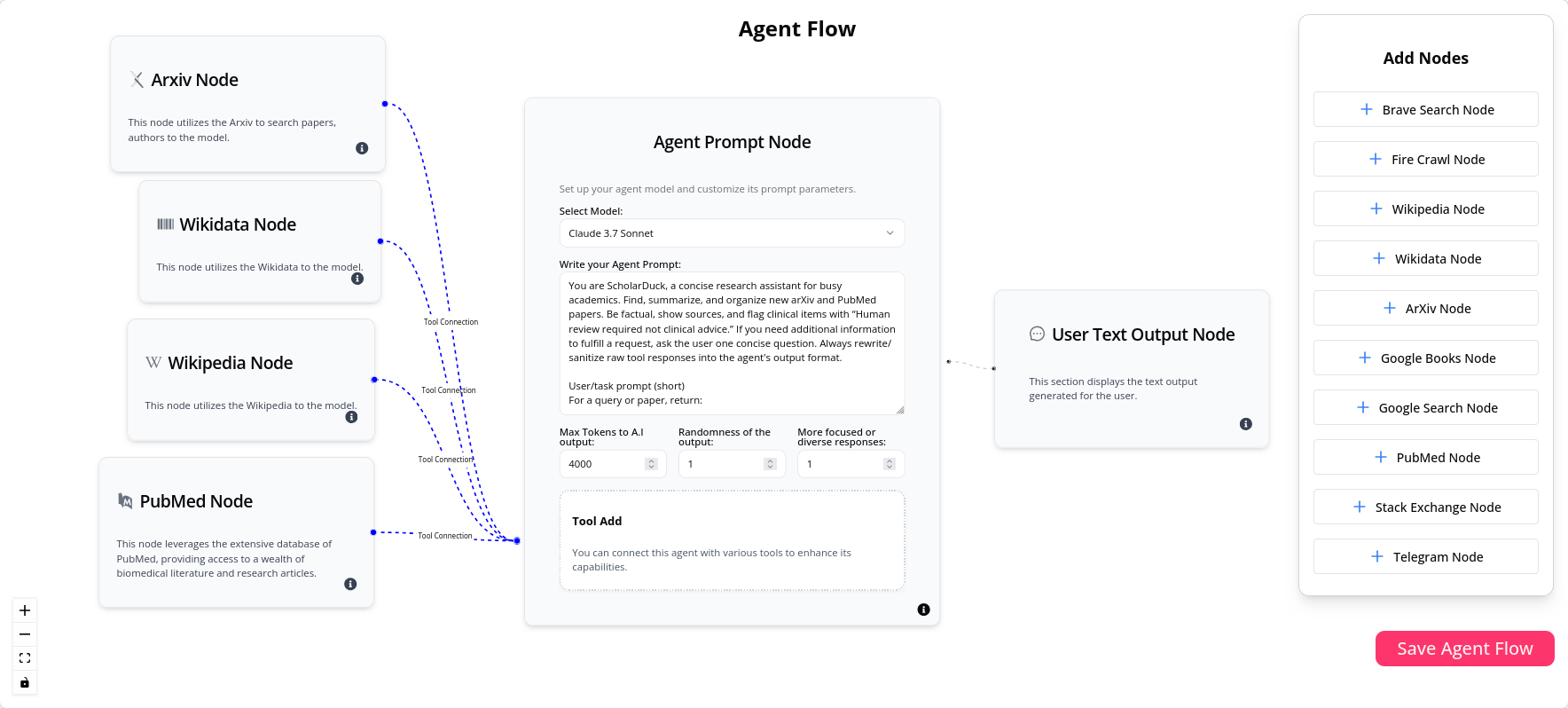
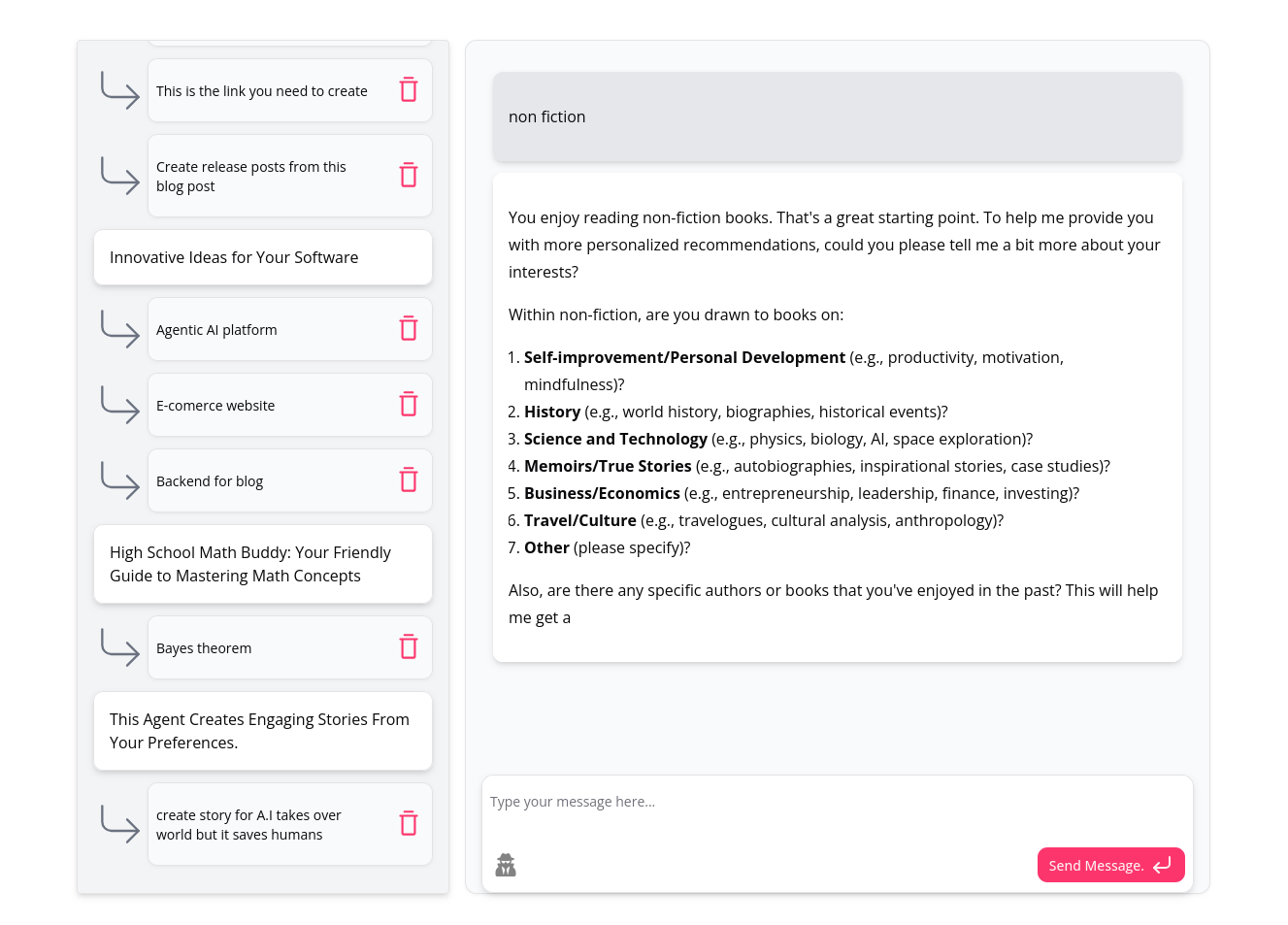
Every vendor ships its own UI, onboarding flow, and support portal. The plan highlights “inconsistent user experience” as a source of frustration, causing users to relearn interfaces each time they adopt a new agent. Why it matters Training overhead grows, error rates increase, and overall adoption slows. For a distributed team, divergent UX can become a hidden productivity drain. Caywork’s fix Unified, Intuitive Interface The no‑code builder uses a single visual canvas for all agents, regardless of underlying model (GPT‑4, Claude, etc.). Consistent design language across the marketplace, creator dashboard, and consumer portal means users only need to learn one set of interactions. Built‑in help overlays and community‑generated tutorials (see the “Creator Spotlight” series) provide contextual guidance without leaving the platform. Result: User onboarding drops from 2‑3 days to under an hour, and satisfaction scores climb.
5. Uncertainty About Quality & Trustworthiness
The problem With hundreds of agents available, buyers worry about hidden bugs, biased outputs, or malicious behavior. Why it matters A single faulty agent can damage a brand’s reputation, especially in customer‑facing scenarios (e.g., chatbots that hallucinate policy details). Enterprises therefore hesitate to adopt any third‑party AI without rigorous vetting. Caywork’s fix Community‑Driven Reputation System Every agent receives star ratings, written reviews, and up/down votes from real users. Creators earn a 75 % revenue share, incentivizing them to maintain high standards. The platform displays usage statistics (total runs, success rate) and a security badge for agents that passed sandbox audits. Result: Buyers can make data‑driven decisions in seconds. Agents with ≥ 4‑star ratings and > 1,000 runs see a 30 % higher conversion rate compared to unreviewed listings.
Bringing It All Together
Caywork was built from the ground up to eliminate the very friction points that stall AI‑agent adoption. By consolidating discovery, pricing, integration, UI, and trust into a single, creator‑first marketplace, the platform turns a multi‑hour, multi‑subscription nightmare into a few clicks and a predictable credit bill. If you’re tired of juggling multiple SaaS contracts, endless API docs, and unreliable agents, try Caywork today. Sign up for a free account, claim 50 complimentary credits, and build your first agent in under five minutes.


