AI News Today: Accenture & OpenAI Partnership, Gemini 3 Enterprise Rollout, Meta's AI Chip Deal, and More (December 1, 2025)

OpenAI's investment in Thrive Holdings marks a strategic move into enterprise transformation, aiming to directly influence AI adoption and compete with established players. This hands-on approach will provide deep insights into service-based industries, allowing OpenAI to tailor AI solutions and capture value across the entire enterprise transformation supply chain. To stay ahead, businesses should explore how OpenAI's new strategy can help them optimize AI implementation and gain a competitive edge.
Accenture and OpenAI Partner to Revolutionize Enterprise AI Adoption
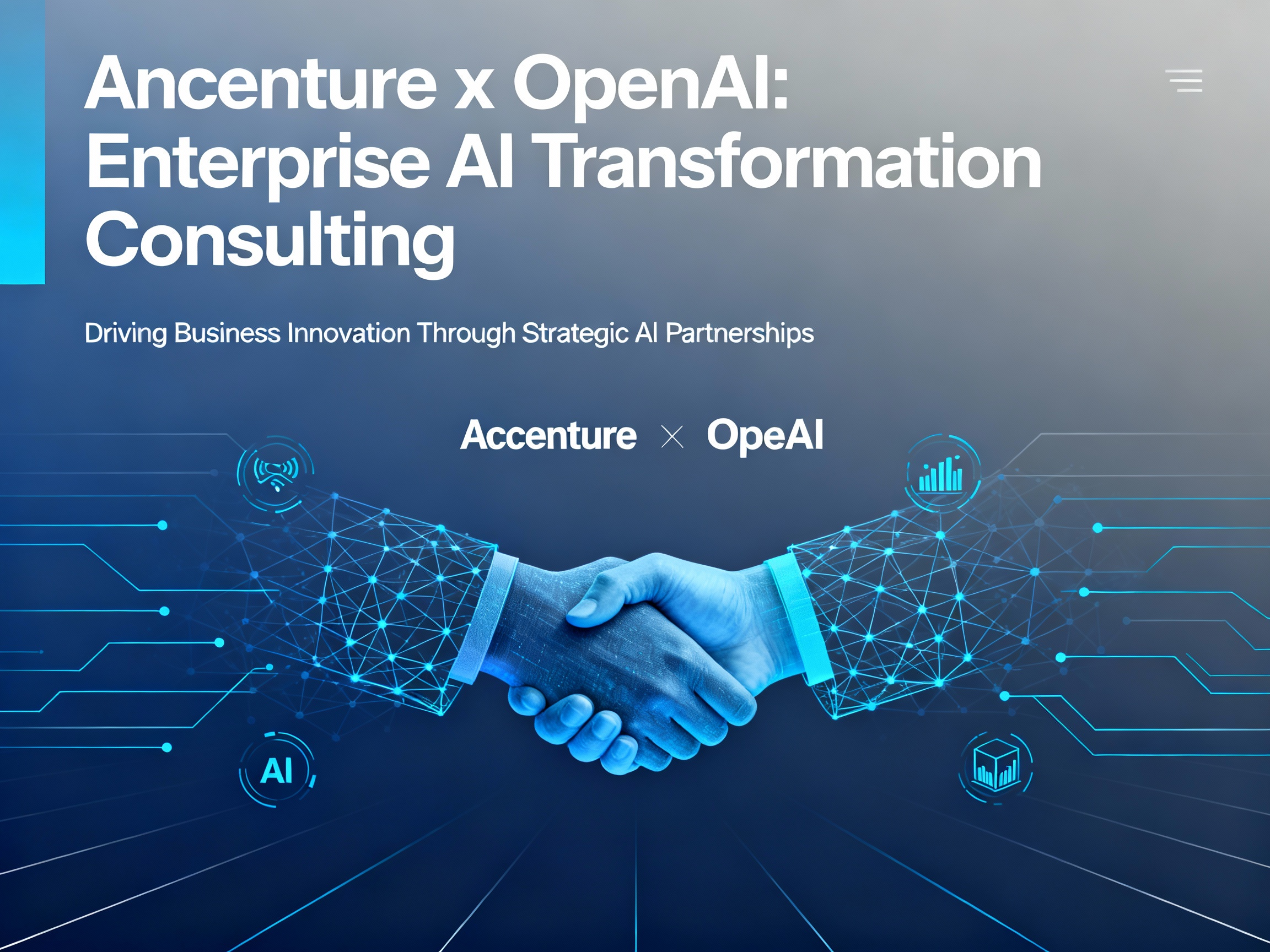
The AI world is buzzing with news of a significant alliance that promises to reshape how enterprises adopt and implement artificial intelligence. Accenture and OpenAI have announced a strategic partnership aimed at accelerating the integration of AI solutions, particularly ChatGPT, into large organizations. This collaboration is poised to bring cutting-edge AI capabilities to a wider range of industries, marking a pivotal moment in the enterprise AI landscape.
Accenture Goes All-In on ChatGPT Enterprise
At the heart of this partnership is Accenture's commitment to deploying ChatGPT Enterprise across its extensive global workforce. This move signals a massive vote of confidence in OpenAI's technology and a recognition of the potential for AI to enhance productivity, streamline operations, and foster innovation within Accenture itself. By becoming an early and large-scale adopter, Accenture aims to gain invaluable experience and insights that it can then leverage to guide its clients through their own AI transformations. This also positions Accenture as a leader in AI adoption, showcasing the practical benefits of integrating advanced AI models into everyday workflows.
OpenAI's Premier AI Partner
Beyond internal deployment, OpenAI will designate Accenture as a primary AI partner for its next-generation service offerings. This means Accenture will have privileged access to OpenAI's latest advancements, tools, and expertise, allowing the consulting giant to develop tailored AI solutions for its diverse clientele. Accenture’s global reach and deep industry knowledge, combined with OpenAI’s AI prowess, create a powerful synergy that can address complex business challenges across various sectors. Expect to see joint development of new AI-powered services, consulting frameworks, and implementation strategies designed to maximize the value of AI investments.
Flagship AI Client Program
The partnership's impact will be amplified through the launch of a flagship AI client program targeting key industries, including financial services, healthcare, the public sector, and retail. This initiative will focus on helping organizations in these sectors identify and implement AI solutions that drive tangible business outcomes, from improving customer experiences to optimizing operational efficiency and unlocking new revenue streams. For instance, in healthcare, AI could revolutionize diagnostics and patient care, while in retail, it could personalize shopping experiences and optimize supply chain management. Accenture and OpenAI plan to combine their expertise to deliver transformative AI solutions tailored to the unique needs of each industry.
Building an OpenAI-Certified Workforce
Recognizing the importance of skilled professionals in driving successful AI adoption, Accenture plans to create the largest cohort of experts certified through OpenAI Certifications. This initiative will equip Accenture's workforce with the knowledge and skills necessary to effectively leverage OpenAI's technologies and guide clients through their AI journeys. By investing in comprehensive training and certification programs, Accenture aims to ensure that its consultants are well-versed in the latest AI methodologies, best practices, and ethical considerations. This will not only enhance Accenture's AI capabilities but also contribute to the broader growth of the AI talent pool.
Market Response
The market has responded positively to the Accenture-OpenAI partnership, with Accenture's stock experiencing a notable surge following the announcement. This investor confidence reflects the perceived value of the collaboration and the potential for significant growth in the enterprise AI market. The partnership is seen as a strategic move that will solidify Accenture's position as a leading AI consulting firm while accelerating OpenAI's mission to make AI accessible and beneficial to organizations worldwide. As the AI landscape continues to evolve, such strategic alliances will likely become increasingly common, driving innovation and shaping the future of enterprise technology.
Google's Gemini 3 Scales to Enterprise Markets, Outperforming Competitors
The AI landscape just got a whole lot more competitive as Google's Gemini 3 makes its grand entrance into the enterprise market. This move signals Google's intent to close the capability gap with competitors and establish itself as a dominant player in the AI-powered business solutions. Let's dive into the details.
Gemini 3: Enterprise-Ready AI

Google is rolling out Gemini 3 to enterprise clients through two primary channels: Vertex AI and Gemini Enterprise. Vertex AI provides a comprehensive platform for building, deploying, and scaling machine learning models, offering businesses the flexibility to customize AI solutions to their specific needs. Gemini Enterprise, on the other hand, delivers a suite of pre-trained AI models and tools designed to address common business challenges, such as natural language processing, data analysis, and predictive modeling. Imagine being able to effortlessly analyze customer sentiment, automate report generation, or forecast sales with unparalleled accuracy. That's the power Gemini 3 brings to the table.
Explosive Adoption and Benchmark Dominance
The initial reception of Gemini 3 has been nothing short of phenomenal. Within the first 24 hours of its launch, the platform achieved over one million users, demonstrating the strong demand for advanced AI capabilities in the enterprise sector. But it's not just about popularity; Gemini 3 is also making waves in terms of performance. The model has surpassed competitors in key benchmarks related to text generation, image editing, and image processing. Whether it's crafting compelling marketing copy, enhancing product visuals, or extracting insights from complex datasets, Gemini 3 is proving to be a versatile and powerful tool.
Deep Think Mode: Unprecedented Accuracy
One of the standout features of Gemini 3 is its "Deep Think" mode, which pushes the boundaries of AI reasoning and problem-solving. This advanced mode has achieved unprecedented accuracy on notoriously difficult benchmarks like ARC-AGI-2, GPQA Diamond, and Humanity's Last Exam. These tests are designed to assess a system's ability to understand and reason about complex concepts, making Gemini 3 a true leader in the quest for artificial general intelligence (AGI).
Multilingual Mastery in Action
Real-world applications are where AI truly shines, and Rakuten's use of Gemini 3 provides a compelling example. The e-commerce giant has demonstrated the model's robustness in multilingual transcription and document processing. This means that Gemini 3 can accurately transcribe audio and video content in multiple languages, as well as extract key information from documents, regardless of the language they are written in. This capability is particularly valuable for global businesses that need to communicate with customers and partners around the world. This is just the tip of the iceberg, and you can follow AI News to keep up with further use-cases.
In conclusion, Google's Gemini 3 enterprise rollout through Vertex AI marks a significant step forward in democratizing access to advanced AI capabilities for businesses of all sizes. The model's impressive performance, particularly in Deep Think mode and multilingual processing, solidifies its position as a frontrunner in the enterprise AI landscape.
Meta and Google Explore Multibillion-Dollar AI Chip Partnership, Challenging Nvidia's Dominance
The AI world is buzzing with news of a potential game-changer: Meta Platforms is reportedly in talks with Google to invest billions in custom AI chips, specifically Tensor Processing Units (TPUs). This Meta Google AI chip partnership for TPUs could significantly alter the competitive landscape, challenging Nvidia's current dominance in the AI hardware space. It's a development that has everyone from Wall Street analysts to AI developers sitting up and taking notice. For more regular updates on this and other happenings, you might want to check out AI News.
A Shift in Data Center Strategy
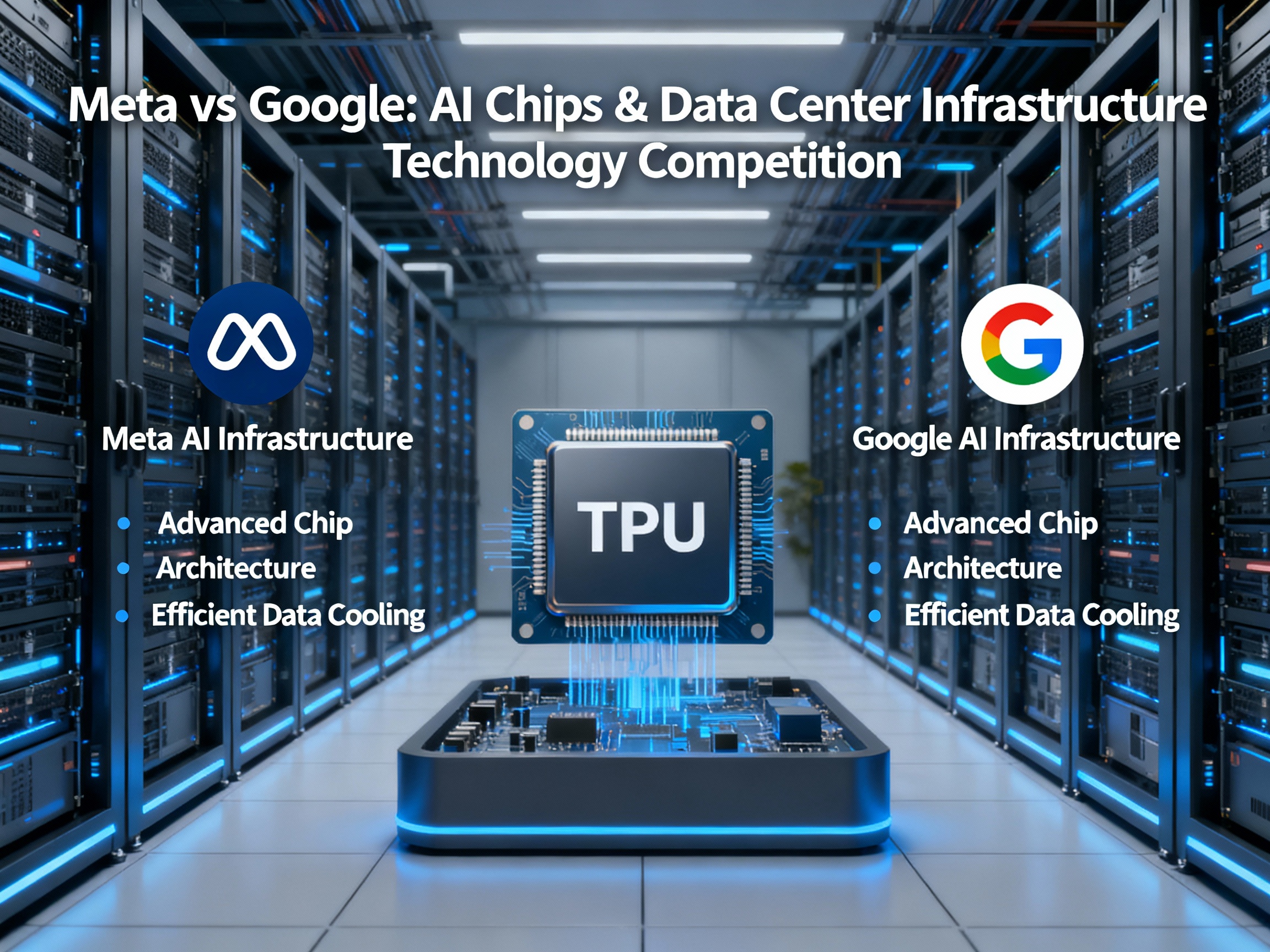
This potential deal signals a strategic pivot in how tech giants are approaching data center architecture. For years, Nvidia's GPUs have been the go-to solution for accelerating AI workloads. But relying solely on one vendor creates vulnerabilities, especially as AI models grow ever more complex and demanding. By exploring Nvidia GPU alternatives in Meta data centers through collaboration with Google, Meta is diversifying its infrastructure, ensuring greater resilience and potentially unlocking new levels of performance. This push towards polyarchitecture AI hardware strategies could become the new normal in the industry. Google, for example, also has Google AI Studio, their tool for developers for building AI-powered applications.
A Potential Blow to Nvidia?
Just how big could this deal be? Some Google Cloud executives are estimating that this arrangement could capture as much as 10% of Nvidia's current data-center revenue. That's a significant chunk of the market, and it underscores the growing demand for alternative AI hardware solutions. While Nvidia remains a powerhouse, the Meta-Google partnership highlights the potential for disruption, particularly as companies seek more customized and cost-effective AI infrastructure. The stock market certainly reflected this, with Alphabet's stock climbing to record highs on the news.
Meta's Mammoth Investment
Meta's commitment to AI is clear: they've pledged a staggering $600 billion towards U.S. infrastructure, with a substantial portion earmarked for AI data centers. This massive investment underscores the company's belief in the transformative power of AI and its determination to be a leader in the field. Building these new data centers and diversifying their hardware options are critical steps in realizing that vision.
This partnership between Meta and Google, should it come to fruition, is more than just a business deal. It represents a fundamental shift in the competitive AI infrastructure landscape. It’s a signal that the era of Nvidia's unchallenged dominance may be coming to an end, paving the way for a more diverse and innovative ecosystem. As AI continues to evolve, expect to see even more strategic alliances and technological breakthroughs that reshape the future of computing. If you're looking to learn more about how to harness the power of AI, consider checking out our AI Fundamentals learning resources.
Dell Doubles Down on AI Server Dominance with Increased Forecast
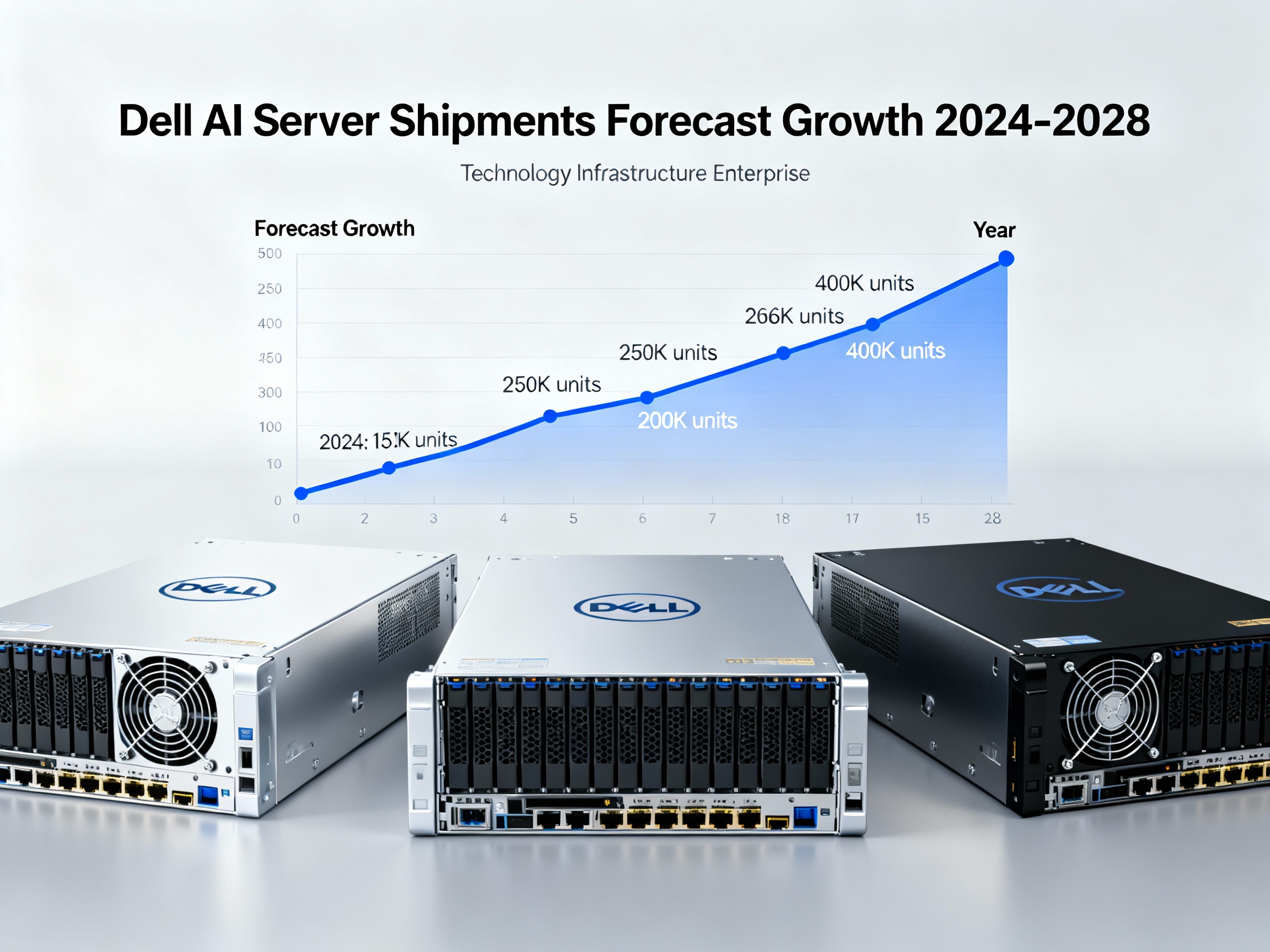
Dell Technologies is betting big on the AI boom, signaling a sustained surge in enterprise investment in AI infrastructure. So big, in fact, that they've just raised their full-year AI server shipment forecast to a staggering $25 billion. This isn't just optimism; it's grounded in concrete results.
Record Orders and Expanding Demand
In the third quarter alone, Dell reported record AI server orders and shipments. This robust performance isn't limited to traditional cloud providers. The company is witnessing an expanding demand among neoclouds – smaller, specialized cloud providers – and sovereign cloud customers, those seeking data residency and control within specific geographic boundaries. This diversifying customer base highlights the growing appetite for AI capabilities across various sectors and deployment models. Dell's CFO, Yvonne McGill, stated on the most recent earnings call that the company projects significant year-over-year growth in AI server shipments, further solidifying their bullish outlook. To keep up with the rapidly growing AI space, keep an eye on the AI News page.
A Strategic Position in the Evolving AI Landscape
Dell's aggressive forecast underscores its strategic positioning in the AI infrastructure market. As enterprises increasingly seek alternatives to being locked into the major cloud providers, Dell is carving out a niche as a provider of customizable, distributed AI systems. This approach resonates particularly well with organizations prioritizing data sovereignty and control over their AI workloads.
Dell is betting on enterprises wanting the flexibility and control of on-premise or hybrid AI solutions, rather than being solely reliant on hyperscale cloud providers.
This strategic bet positions Dell as a critical infrastructure beneficiary in the evolving AI landscape. Tools like Google AI Studio may help to get these systems up and running. By providing the hardware backbone for AI innovation, Dell is poised to capitalize on the long-term growth potential of the AI market, with many people finding the perfect tools on the Top 100 AI tools list. Dell's increased forecast isn't just a financial projection; it's a testament to the company's confidence in the continued and expanding adoption of AI across diverse industries and deployment models.
OpenAI Stakes Competitive Claim in Enterprise Transformation with Thrive Holdings Investment
The AI landscape shifted dramatically today with OpenAI's bold move into the enterprise transformation space, signaling a new era of competition and innovation. OpenAI is no longer just about providing the foundational models; they're now aiming to directly influence how businesses adopt and integrate AI. This strategic leap comes in the form of an ownership stake in Thrive Holdings, a company launched by Thrive Capital with a staggering $1 billion in initial capital.
OpenAI's Enterprise Ambitions
This acquisition isn't merely a financial investment; it's a clear statement of intent. OpenAI plans to embed its researchers and engineers within Thrive Holdings' portfolio companies. This hands-on approach will allow OpenAI to deeply understand the needs of service-based industries and tailor AI solutions to specific business challenges. It's a significant departure from simply selling API access and represents a pursuit of new business models and revenue streams. Instead of just providing the tools, they want to help build the house, so to speak.
Vertical Integration and Competitive Positioning
This move mirrors the vertical integration strategies being pursued by other major players in the AI arena. By expanding beyond model development and into direct enterprise services delivery and software integration, OpenAI positions itself to capture value across the entire enterprise transformation supply chain. It is a strategic counter move. Companies can use tools such as HubSpot, which offers solutions such as HubSpot Email Writer that helps automate marketing and sales efforts, but now OpenAI will be deeply embedded in the whole process.
The Future of OpenAI's Business Model
The investment in Thrive Holdings signals a major evolution in OpenAI's business strategy. It is a move to secure its position in the rapidly evolving AI market. It signifies the company’s understanding of the evolving AI landscape and its commitment to being at the forefront of enterprise AI transformation. You can follow this and other news on our AI News page. The big question now is whether this bold bet will pay off, solidifying OpenAI's dominance in the age of AI.
OpenAI Tests Marketplace Ads in ChatGPT: Monetization vs. User Experience
The AI world is buzzing with OpenAI's latest experiment: marketplace ads within ChatGPT. This move, unearthed through code strings revealing features like contextual 'search ads' and 'bazaar content,' signals a significant shift in how AI developers plan to sustain their increasingly expensive operations. But will users accept a dose of commerce alongside their AI interactions?
The Price of Progress: OpenAI's Monetization Strategy
Let's face it: training and running large language models (LLMs) like the one powering ChatGPT isn't cheap. OpenAI's exploration of marketplace-style advertising seems a direct response to the escalating costs of AI development and infrastructure. By integrating ads, OpenAI aims to offset these expenses, potentially ensuring the long-term availability of its powerful AI assistant. Think of it like this: you enjoy free content on many websites because of ads; OpenAI is testing whether a similar model can work for AI. This also raises an interesting question of how the ad revenue could be split between OpenAI and the developers who have built GPTs and are publishing them on the GPT Store.
User Backlash: A Risky Experiment
Initial user response has been less than enthusiastic. Social media platforms are rife with complaints, with many users expressing concerns about the potential for a degraded user experience. The core worry? That the introduction of ads will make interactions feel less organic and more transactional. Imagine asking ChatGPT for advice on a new recipe and being bombarded with ads for kitchen appliances – the friction is palpable. However, others recognize the need for sustainable funding for AI development. It’s a complex balancing act.
A Litmus Test for the AI Industry
OpenAI's foray into ad integration represents a pivotal moment for the entire AI industry. The success or failure of this experiment will likely shape monetization strategies for other AI assistants and platforms. If users embrace the marketplace model, we could see a proliferation of ads across various AI tools. Conversely, strong user resistance might force developers to explore alternative funding models, such as premium subscriptions or enterprise solutions. The development of AI tools is rapidly expanding and monetization will become a key point for innovation and differentiation. The question that remains is whether users will prefer to pay a premium for an ad-free experience or tolerate ads in exchange for free access. This test will define the future of premium vs. free AI assistants.
Ultimately, OpenAI's ad experiment is a high-stakes gamble, a critical test of user tolerance for commercial intrusions within AI assistants. The outcome will not only determine the future of ChatGPT but also set a precedent for how the AI industry balances innovation with financial sustainability.
The Emerging Competitive Architecture in AI: Consolidation, Fragmentation, and Monetization Urgency

The AI landscape is shifting beneath our feet, resembling less a neatly paved highway and more a network of interconnected, sometimes chaotic, side streets. The race to dominate isn't just about building the best model anymore; it's about crafting a sustainable, profitable AI ecosystem. Let's unpack the key architectural trends defining this new era.
The Enterprise AI Services Squeeze
The enterprise services layer is consolidating at breakneck speed. Giants like Accenture are doubling down on partnerships with AI powerhouses, like OpenAI, to deliver end-to-end AI solutions. This consolidation means businesses looking to implement AI are increasingly turning to established players who can offer a comprehensive suite of services, from strategic consulting to custom model development and deployment. The implication? Smaller AI startups need to find a niche, partner strategically, or risk being swallowed up. Consulting firms are becoming key brokers of AI solutions, guiding enterprises through the maze of options.
Nvidia's Grip Loosens: The Rise of Polyarchitecture
For a while, Nvidia seemed untouchable. However, the AI infrastructure is fragmenting, as companies explore alternatives to Nvidia's monolithic dominance. This isn't about dethroning Nvidia entirely, but rather embracing a polyarchitecture approach. Think of it like assembling a diverse team, each member with specialized skills, rather than relying on a single superstar. Companies are now combining CPUs, GPUs, TPUs, and even custom-designed ASICs to optimize performance and reduce reliance on a single vendor.
Moreover, strategic redundancy and geographic sovereignty are now top-of-mind for AI hardware strategies. Enterprises want to avoid single points of failure and comply with growing data localization regulations.
Show Me the Money: The Monetization Imperative
The party's over, and the bill has arrived. Monetization urgency is mounting for AI developers. Building cool AI is no longer enough; it needs to generate revenue. The days of endless funding rounds based on potential are fading. Now, investors want to see sustainable business models. Are AI tools solving real problems and delivering tangible ROI? Or are they just sophisticated toys? The answer to that question will determine who survives the coming shakeout. This also ties into the first point, where monetization is the end-goal, and enterprise-level consulting companies are making the deployment happen.
The sustainability of AI unit economics will be determined in the next 12 months.
In conclusion, the AI landscape is rapidly evolving from a playground of experimentation to a serious business battlefield. Consolidation in enterprise services, polyarchitecture in hardware, and the urgent need for monetization are shaping the competitive dynamics. Keep an eye on these trends, as they will dictate the winners and losers in the AI revolution.
🎧 Listen to the Podcast
Hear us discuss this topic in more detail on our latest podcast episode: https://open.spotify.com/episode/0H6Vd8Mvkxk3N7113L3dte?si=3l0_uVoKQgqz7PA9AJXVIg
Recommended AI tools

ChatGPT
Conversational AI
AI research, productivity, and conversation—smarter thinking, deeper insights.

Google Gemini
Conversational AI
Your everyday Google AI assistant for creativity, research, and productivity

Perplexity
Search & Discovery
Clear answers from reliable sources, powered by AI.

Google Antigravity
Productivity & Collaboration
Google Antigravity - Build the new way

n8n
Productivity & Collaboration
Open-source workflow automation with native AI

DeepL
Writing & Translation
The world’s most accurate AI translator
About the Author

Albert Schaper is the Founder of Best AI Tools and a seasoned entrepreneur with a unique background combining investment banking expertise with hands-on startup experience. As a former investment banker, Albert brings deep analytical rigor and strategic thinking to the AI tools space, evaluating technologies through both a financial and operational lens. His entrepreneurial journey has given him firsthand experience in building and scaling businesses, which informs his practical approach to AI tool selection and implementation. At Best AI Tools, Albert leads the platform's mission to help professionals discover, evaluate, and master AI solutions. He creates comprehensive educational content covering AI fundamentals, prompt engineering techniques, and real-world implementation strategies. His systematic, framework-driven approach to teaching complex AI concepts has established him as a trusted authority, helping thousands of professionals navigate the rapidly evolving AI landscape. Albert's unique combination of financial acumen, entrepreneurial experience, and deep AI expertise enables him to provide insights that bridge the gap between cutting-edge technology and practical business value.
More from AlbertWas this article helpful?
Found outdated info or have suggestions? Let us know!